Where Is the Tu Lan System?
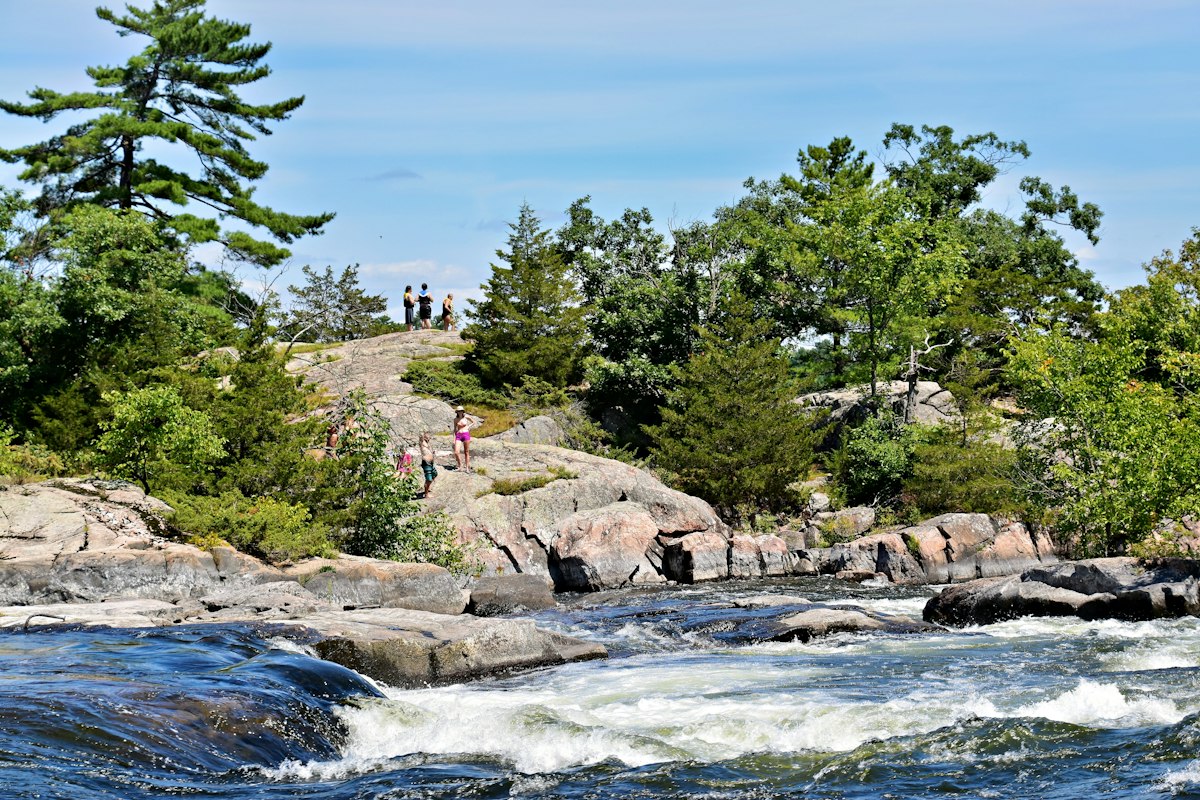
The Tu Lan cave network lies in the Tan Hoa area, around 65 kilometres north-west of Phong Nha village. It sits within the buffer zone of Phong Nha-Ke Bang National Park, surrounded by farmland and jungle that gives way quickly to steep karst limestone hills. The caves were carved by the Tu Lan river, which still threads through many of them today.
The system comprises more than ten individually named caves and passages, linked by stretches of jungle trail and river. Tours may combine several of them into a single itinerary, or focus on one particular cave, depending on the duration and difficulty of the trip chosen.
What Makes Tu Lan Different
Where Son Doong is a single enormous passage visited on one fixed expedition, Tu Lan offers genuine variety. The core experience is river caving: swimming and wading through cave chambers where the Tu Lan river fills the passage from wall to wall, before emerging into dry sections of decorated stalactite formations or vast underground halls. Between caves, routes pass through jungle, across streams and through the community around Tan Hoa village.
Because the system has multiple entry and exit points and varying levels of physical difficulty, operators can design itineraries of one to five days suited to different fitness levels and time constraints — something no other cave in the region can match.
The Range of Itineraries
Tu Lan tours typically fall into one of four tiers, though operators may vary the specific names and combinations.
Family Day Trip
A one-day introduction designed for families with older children and first-time cave visitors. The route involves a modest jungle walk, swimming through an accessible cave passage and some riverside time. The distances and water sections are manageable for most healthy adults, and children aged roughly ten and above typically enjoy it. This is the lowest physical commitment of any cave tour in Phong Nha.
Tu Lan Family Two-Day
An overnight extension of the day trip, adding a jungle camp and a second cave section on day two. It gives more time to explore without the sustained effort of a full multi-day expedition. Families with adventurous children who enjoyed the day version often step up to this.
Tu Lan Multi-Day Expeditions (3–5 Days)
These are the signature Tu Lan experiences — linking four, five or more caves into a continuous journey through the system. Days involve full hours of trekking, river crossings, cave swimming and scrambling over slippery boulders. Nights are spent under canvas in the jungle or inside the caves themselves.
The longer itineraries visit the most remote sections of the system, including Hang Tien (the largest dry cave), Hang Va (the tower formations cave) and the full Tu Lan river passage. This tier is rated moderate: no technical rope skills are needed, but a genuine base of fitness and comfort in the outdoors is essential.
Wild Tu Lan Explorer
A four-day version that covers a broad range of cave types at a faster pace — designed for travellers who want a substantial expedition but cannot commit to five days. The route varies depending on seasonal water levels.
Hang Tien: The Largest Dry Cave
Hang Tien is the jewel of the Tu Lan dry cave collection and features in many of the multi-day itineraries. A one-day trek also covers Hang Tien specifically for those with limited time. The cave is notable for its layered calcite terraces and the sheer scale of its chambers — dramatically different in character from the river caves in the same system.
What to Expect Physically
Even the easiest Tu Lan day trip involves some swimming in cave water, which is cold and can be fast-moving in places. Wetsuits or suitable swimwear are normally provided or recommended by operators. For the multi-day options, you should be prepared for:
- Six or more hours of active trekking and swimming per day.
- Scrambling over slippery rocks without the support of handrails or paths.
- Sleeping in tents in the jungle, with basic camp food prepared by the support team.
- Carrying your own daypack with personal items; porters carry the heavier gear.
There are no rope-assisted climbs on Tu Lan tours (that is a feature of Son Doong), but the sustained effort over multiple days makes the longer itineraries genuinely tiring. See our difficulty guide for a fuller comparison.
Best Time to Visit
Tu Lan tours run in the dry season, broadly February to August, when water levels are stable enough for safe passage through the river caves. Outside this window, rising water closes most itineraries. Some shorter day options may be available earlier or later in the season — confirm the current window with your operator when planning.
How Tu Lan Compares to Other Options
Tu Lan sits comfortably between the family-friendly show caves and the demanding Son Doong expedition. It offers a genuine adventure with real physical demands but without the cost, permit complexity or six-day commitment of Son Doong. Many travellers who cannot book Son Doong — or who want to assess their readiness before attempting it — choose a multi-day Tu Lan expedition instead. Read our full tour comparison to see how all the options stack up.
See how Tu Lan compares in our full tour overview, or understand the physical demands in the difficulty guide.